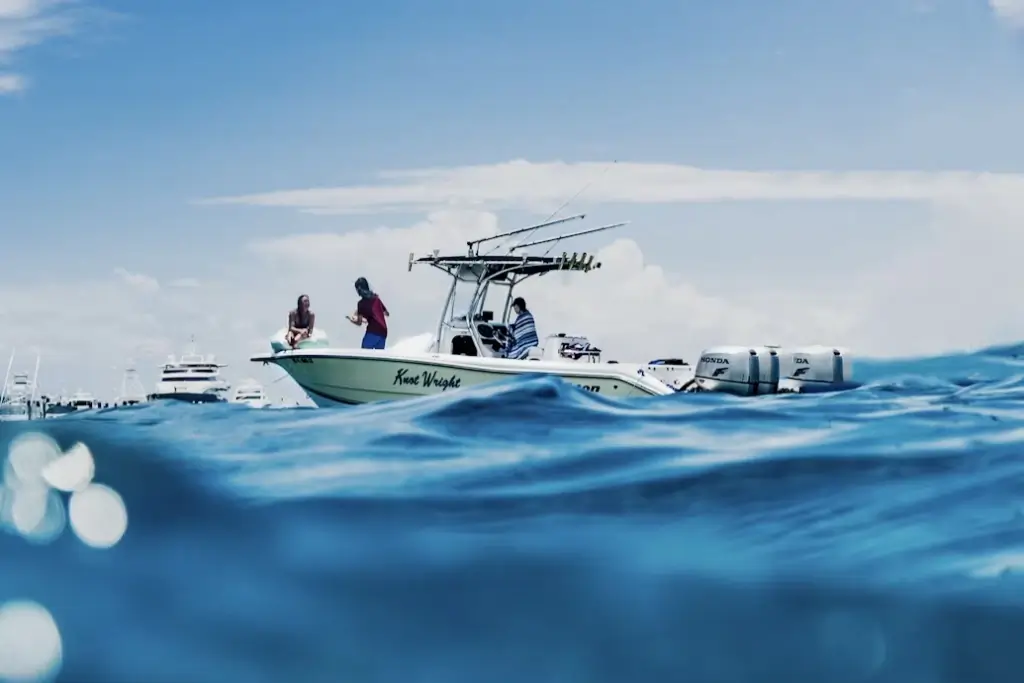
One of the most common questions we hear before a Daymaniyat Islands tour has nothing to do with turtles, boats, or snorkeling gear — it’s simply: what should I actually wear? This comes up constantly from first-time visitors to Oman, and it’s a fair question. Oman is a Muslim country with its own cultural norms around modesty, and if you’ve never visited before, it’s completely understandable to wonder whether a regular swimsuit is appropriate or whether you need something more conservative.
The short answer: it’s a lot more relaxed than most visitors expect, especially once you’re out on a tourist boat and at the reserve itself. This guide walks through exactly what to wear, whether you’re traveling solo, as a couple, with kids, or as a full family group.
Is Oman Conservative? Understanding the Cultural Context
Oman is generally considered one of the more relaxed and welcoming Gulf countries when it comes to how tourists dress, but it’s still a Muslim country, and modest dress is the norm in everyday public settings — cities, souqs, mosques, and government buildings. If you’re wondering what to wear in Oman as a tourist more broadly, the general rule is to cover shoulders and knees when you’re out in town, away from tourist beaches or resort areas.
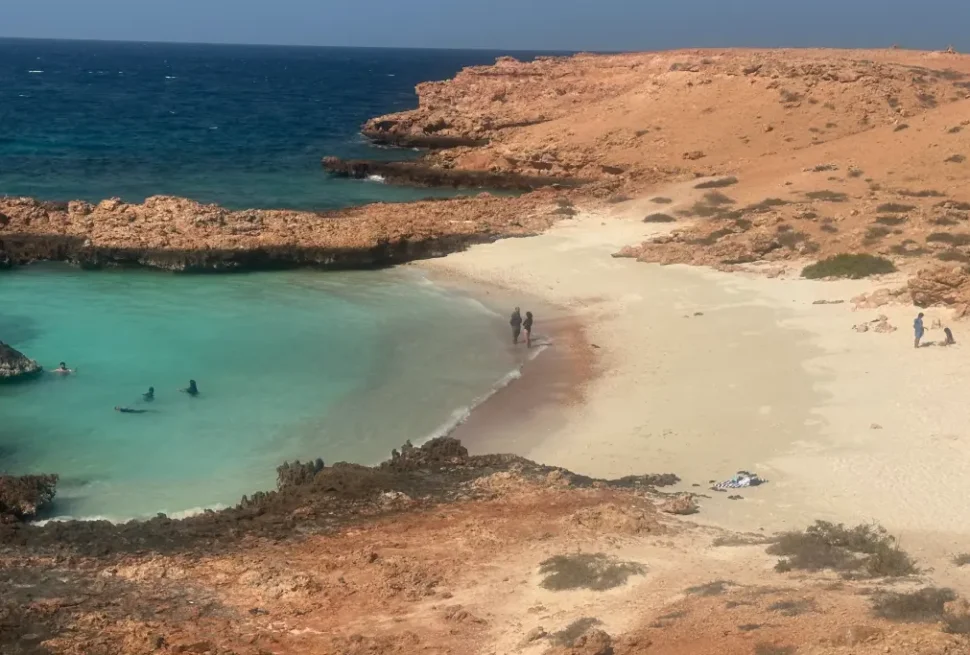
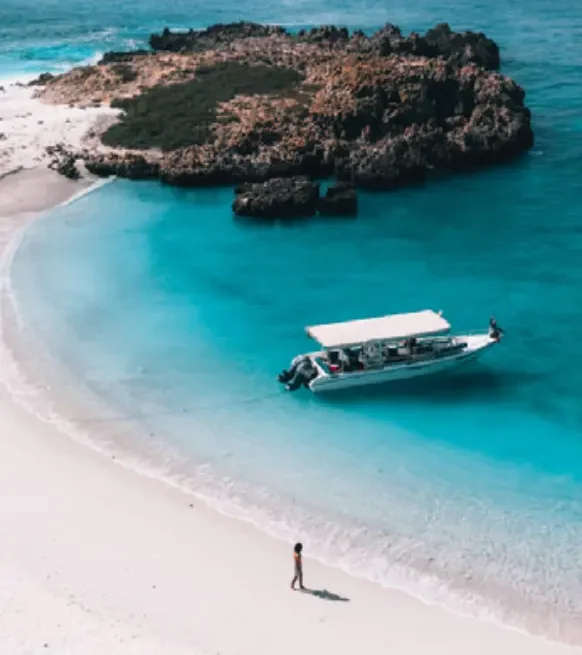
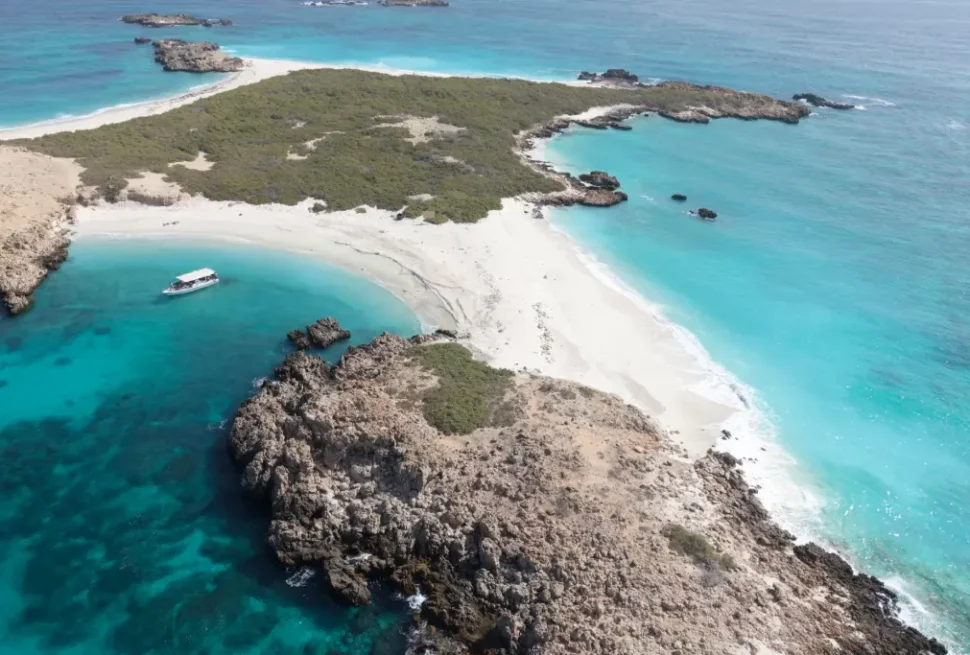
That said, the context changes once you’re on a dedicated tourist activity like a boat tour to a marine nature reserve. The Daymaniyat Islands are a protected tourist destination, not a public city beach, and the norms there are noticeably more relaxed — closer to what you’d experience at a resort pool than what you’d wear walking through Muscat’s old town. Understanding this distinction is the key to packing with confidence instead of anxiety.
What to Wear: A Breakdown by Who’s Wearing It
For Women
A regular swimsuit — one-piece or bikini — is completely acceptable on the boat and in the water during a Daymaniyat Islands tour. This is one of the most frequently asked questions we get (can you wear a bikini in Oman?), and for this specific setting, the answer is yes. You’ll see a genuine mix of swimwear styles among fellow travelers, from full one-pieces to standard bikinis, and nobody will bat an eye either way.
If you’d simply feel more comfortable with extra coverage — whether for sun protection, personal preference, or cultural comfort — a few good options include:
- A long-sleeve rash guard worn over your swimsuit
- Swim leggings instead of bare legs
- A lightweight sarong or cover-up to throw on between snorkel stops
None of this is required. It’s entirely a matter of personal choice, and both fully covered and standard swimwear are common sights on the same boat.
For Men
Board shorts or standard swim trunks are the norm and completely fine for the entire tour. Going shirtless in the water is generally acceptable, though many men choose to wear a rash guard or a light t-shirt for sun protection, since Oman’s sun is intense even on cooler days. Once you’re back on the boat or stepping onto the island itself, it’s common (and a nice courtesy to fellow guests and the island’s low-impact tourism ethos) to have a shirt on hand to put back on.
For Children
Kids’ swimwear is simple — a comfortable swimsuit is all that’s strictly needed, but a few extras make a big difference on a boat day:
- A rash guard set (long-sleeve top and shorts) gives excellent sun protection for young, sensitive skin without needing constant sunscreen reapplication
- Swim diapers are essential if your child is still in diapers or recently potty-trained, since regular diapers aren’t designed for water
- If your child will be in the water, ask your tour operator in advance whether child-sized life jackets are provided, or whether you should bring your own — sizing matters more for kids than adults
For Families Traveling Together
If you’re packing for the whole family, a shared system makes the day much smoother than everyone packing individually. A few practical tips:
- Pack one shared “beach bag” with sunscreen, extra water, and a first-aid basics kit rather than duplicating supplies across bags
- Bring one full spare change of clothes per family member, since kids in particular tend to get wetter and sandier than planned
- Coordinate cover-ups so everyone has something to throw on once you step onto the island, keeping the whole group comfortable and consistent. [Browse our family tours]
What to Wear During the Boat Ride
The ride out to the islands is part of the experience, and what you wear for it matters almost as much as what you wear in the water. A few practical notes that apply to everyone:
- Quick-dry fabrics are far more comfortable than cotton, which stays wet and heavy for the rest of the day once splashed
- Layer up slightly — even on a hot day, the wind and sea spray on a moving boat can feel surprisingly cool, so a light long-sleeve layer over your swimwear is a smart addition
- Secure anything loose — hats, sunglasses, and cover-ups can blow off in the wind, so bring a strap or clip for anything you don’t want to lose overboard
What to Wear When You Step on the Island
Once the boat stops and you’re able to walk around on the island itself, it’s common practice — and a respectful norm — to put a light cover-up back on rather than walking around in swimwear alone. A simple t-shirt, light dress, or sarong over your swimsuit works well here, for any gender or age. This isn’t a strict requirement, but it’s the norm most visitors follow, and it also gives you a layer of protection from the sun while exploring.
Footwear: What Everyone Actually Needs
This is one detail first-time visitors consistently underestimate, and it matters more than you’d think. Several travelers have specifically flagged the rocky, sometimes slippery terrain around the islands as a real consideration — flip-flops are not a good choice here.
Water shoes are the single most useful footwear item for a Daymaniyat Islands tour. They protect your feet from sharp coral fragments and rocky, algae-covered surfaces both in shallow water and on the islands themselves, and they dry quickly compared to regular sneakers. If you’re packing for kids, make sure to size their water shoes properly in advance — an ill-fitting pair is more likely to slip off in the water than help.
If you don’t own a pair already, they’re inexpensive and widely available, and well worth the small investment before your trip rather than risking a scraped foot on rocky terrain.
Sun Protection Essentials
Oman’s sun is strong year-round, and a full day out on open water intensifies exposure through reflection off the surface. A few essentials for the whole family:
- Reef-safe sunscreen — this matters beyond just skin protection; standard sunscreens contain chemicals that can damage the coral reefs you’re there to see, so a reef-safe formula protects both you and the marine environment
- A rash guard or UV shirt — reduces how much sunscreen you need to reapply and gives more reliable protection than sunscreen alone, especially for kids
- A hat that stays secure — a strap or clip keeps it from blowing away on the boat
- Sunglasses with a strap — same logic, and genuinely useful given the glare off the water
Reapply sunscreen more often than you’d expect, particularly for children, since water and toweling off both wear it away faster than a normal beach day.
A Simple Daymaniyat Islands Packing Checklist
Whether you’re going solo or organizing what to pack for the whole family, here’s a quick, scannable list:
- Swimsuit (plus a cover-up if preferred)
- Rash guard or UV shirt
- Water shoes
- Reef-safe sunscreen
- Hat and sunglasses (with straps)
- Full change of dry clothes
- Small towel
- Dry bag or waterproof pouch for your phone and valuables
- Light snacks and water, if not included in your tour
- Swim diapers, if traveling with a baby or toddler
Keeping this general Oman packing list approach in mind — pack light, prioritize quick-dry fabrics, and bring one dry backup outfit — makes the whole day significantly less stressful.
What NOT to Wear
A few things worth actively avoiding:
- Flip-flops — they offer no protection on rocky or coral terrain and are easy to lose in the water
- Cotton clothing — it stays wet and uncomfortable for hours once splashed
- Valuables and jewelry — there’s limited secure storage on a boat, so it’s best to simply leave anything valuable at your hotel
- Non-reef-safe sunscreen — beyond the environmental impact, many reserves and responsible tour operators actively discourage it to help protect the coral
Frequently Asked Questions
Can I wear a bikini in Oman? For a tourist activity like a Daymaniyat Islands boat tour, yes — standard swimwear including bikinis is widely worn and accepted. In everyday public settings elsewhere in Oman, more modest dress is the norm, but tourist marine activities are a different context.
Do men need to wear a shirt in the water? No, going shirtless in the water is generally fine for men. Many choose to wear a rash guard for sun protection, and it’s common to put a shirt back on once back on the boat or exploring the island.
Is there somewhere to change on the tour? This varies by operator, so it’s worth asking when you book. Many visitors simply wear their swimwear under regular clothing from the start of the day to avoid needing to change at all.
What should I pack for a toddler or baby? Swim diapers are essential if they’re not fully potty-trained, along with a rash guard set for sun protection and a properly fitted child life jacket — confirm with your tour operator whether one is provided or whether you should bring your own.
Do I need to cover up on the boat itself, or just on the island? Swimwear alone is generally fine on the boat throughout the tour. The norm to put a light cover-up on tends to apply once you’re walking around on the island itself, though this is more of a common courtesy than a strict rule.
Packing the right way makes the whole day easier, whether you’re planning a solo snorkeling trip or a full family snorkeling tour in Oman. If you’re ready to experience the Daymaniyat Islands for yourself, browse our tours and book your spot today.