
If the only thing standing between you and a day of turtles, coral reefs, and clear blue water is a nagging worry about getting seasick, you’re not alone. It’s one of the most common questions first-time visitors ask before booking a boat trip to the Daymaniyat Islands — and it’s a fair question. Boat comfort matters, especially if you’ve never done an open-water crossing before.
The good news is that seasickness is largely preventable, and the crossing to the Daymaniyat Islands is generally a manageable, comfortable ride for most people, especially with a bit of preparation. This guide walks through what the crossing actually involves, what causes seasickness, and the practical steps that make the biggest difference — so you can spend the day enjoying the water instead of worrying about it.
What the Crossing to Daymaniyat Islands Actually Involves
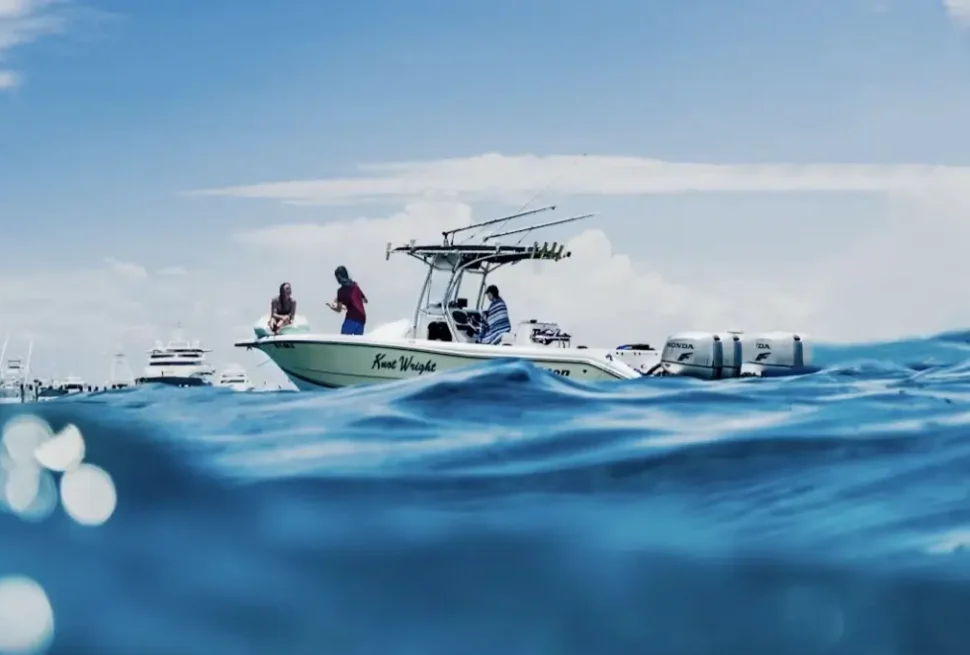
Tours to the Daymaniyat Islands depart from Al Mouj Marina (also known as The Wave Marina) or the nearby Seeb Port/Marina in Muscat and involve a boat ride of approximately 35 to 45 minutes to reach the reserve. The waters here are generally calmer than open ocean crossings elsewhere, since the islands sit relatively close to the coast and are somewhat sheltered compared to fully exposed sea routes.
That said, sea conditions can vary by season and by day. Mornings tend to bring calmer water before wind picks up later in the day, which is one of the reasons many tours — including our team — depart early. Understanding this rhythm helps set realistic expectations: a smooth, comfortable ride is the norm, but it’s still open water, and conditions can shift.
What Actually Causes Seasickness
Seasickness happens when your inner ear (which senses motion) and your eyes (which may be looking at something relatively still, like a phone screen or a book) send conflicting signals to your brain. That mismatch is what triggers the nausea, dizziness, and general discomfort most people associate with being on a boat.
It’s worth knowing that seasickness isn’t a sign of weakness or poor health — it’s a normal physiological response, and some people are simply more prone to it than others due to inner ear sensitivity. Kids and first-time boat riders are often more susceptible, while people who spend a lot of time on boats tend to build up tolerance over repeated trips.
Common Triggers to Be Aware Of
- Looking down at a phone, book, or camera screen while the boat is moving
- Sitting below deck or in an enclosed cabin, away from the horizon
- Traveling on an empty stomach or, conversely, a very heavy meal right before departure
- Strong smells, particularly diesel or fried food, which can intensify nausea
- Alcohol consumed the night before or morning of the trip
Recognizing these triggers is half the battle — most of the practical tips below exist specifically to counter one of them.
Practical Tips to Prevent Seasickness
1. Choose Your Spot on the Boat Wisely
The most effective, completely free way to reduce motion sickness is simply where you sit or stand. The back (stern) or middle of the boat tends to move the least, since it’s closer to the boat’s center of gravity. Staying on deck, in the open air, and keeping your eyes on the horizon rather than on anything close-up (like your phone) gives your brain a stable reference point that matches what your inner ear is sensing.
2. Eat Something Light Beforehand
Skipping breakfast entirely can actually make seasickness worse, since an empty stomach combined with motion is a common recipe for nausea. Aim for something light and easy to digest — plain crackers, toast, or a banana — rather than a heavy, greasy meal. Avoid eating a large meal in the hour right before departure.
3. Stay Hydrated (But Watch the Timing)
Dehydration can make nausea worse, so sipping water throughout the morning is a good idea. That said, try not to over-drink right before boarding — a comfortably hydrated stomach is the goal, not a full one.
4. Consider Motion Sickness Remedies
If you know you’re prone to motion sickness, it’s worth planning ahead rather than waiting until you feel unwell:
- Over-the-counter medication (such as antihistamine-based motion sickness tablets) is commonly used and most effective when taken 30-60 minutes before departure, not after symptoms start.
- Acupressure wristbands are a drug-free option some travelers prefer, worn on the inner wrist to target a pressure point associated with nausea relief.
- Ginger — in the form of ginger candy, tea, or capsules — is a well-known natural remedy that some people find helpful for mild queasiness.
If you’re uncertain which option is right for you, it’s worth checking with a pharmacist before your trip, particularly if you’re traveling with children or have any existing health conditions.
5. Avoid Alcohol the Night Before
Alcohol can affect inner ear fluid balance and dehydrate you — both of which make you more susceptible to motion sickness the next day. If you’re worried about seasickness, skip the drinks the evening before your tour.
6. Get Fresh Air, Not Enclosed Space
If you start to feel unwell, moving to open air and fixing your eyes on a stable point on the horizon is one of the fastest ways to feel better. Staying below deck or in an enclosed area tends to make symptoms worse, since it removes the visual horizon cue your brain needs.
What to Do If You Start Feeling Unwell on the Boat
- Move to the open deck, ideally toward the middle or back of the boat
- Focus your eyes on the horizon or a fixed distant point — avoid looking down
- Take slow, deep breaths
- Sip water if you can tolerate it
- Let your guide know — crews on Daymaniyat tours are experienced with this and can offer both practical help and reassurance
There’s no need to feel embarrassed mentioning it. Experienced boat crews see this regularly and know how to help.
Special Considerations for Kids and First-Timers
Children are often more prone to seasickness than adults, partly due to inner ear sensitivity and partly because they’re less likely to instinctively look at the horizon. If you’re traveling with kids, it can help to:
- Keep them engaged in looking outward — spotting dolphins or islands ahead — rather than looking down at devices
- Pack a light, familiar snack they’re used to
- Sit them in the middle of the boat, away from the edges where motion is more pronounced
- Talk to your tour operator in advance about child-friendly seating or timing options
First-time boat riders in general benefit from simply knowing what to expect. Understanding that the crossing is generally short, that crew are experienced, and that most people find the trip perfectly comfortable can go a long way toward easing pre-trip nerves.
Is the Daymaniyat Crossing Rough?
For most of the year, sea conditions on the way to the Daymaniyat Islands are relatively calm, particularly during morning departures in the main tourist season. Conditions can be choppier depending on wind and season, which is part of why experienced operators monitor forecasts closely and may adjust departure times or, in rare cases, reschedule trips for guest comfort and safety.
If you’re especially prone to seasickness, mentioning this when you book is a good idea— can offer guidance on which tour timing tends to have the calmest conditions.
Frequently Asked Questions
Is the boat ride to Daymaniyat Islands rough? Conditions are generally calm, especially on morning departures, though like any open-water trip they can vary by day and season. Checking with your operator about current sea conditions before booking can help set expectations.
Should I take seasickness medication before the trip? If you know you’re prone to motion sickness, taking an over-the-counter remedy 30-60 minutes before departure is generally more effective than waiting until symptoms start. Check with a pharmacist if you’re unsure which option suits you.
Are children likely to get seasick on the crossing? Kids can be more susceptible than adults, but keeping them focused on the horizon, seated centrally, and lightly fed before departure usually helps significantly.
What’s the best place to sit on the boat to avoid feeling sick? The middle or back of the boat, in open air with a clear view of the horizon, tends to be the most comfortable spot for motion-sensitive travelers.
Can I still enjoy the trip if I do get seasick? Yes — most people who feel queasy on the way out feel completely fine once the boat stops for snorkeling, since being in the water resolves the visual-motion mismatch that causes seasickness in the first place.
Seasickness sounds like a bigger obstacle than it usually turns out to be — most first-time visitors find the crossing far more comfortable than they expected, especially with a little preparation. If you’re ready to experience the turtles, coral, and clear water of the Daymaniyat Islands for yourself, [book your tour with us] and our crew will take care of the rest.