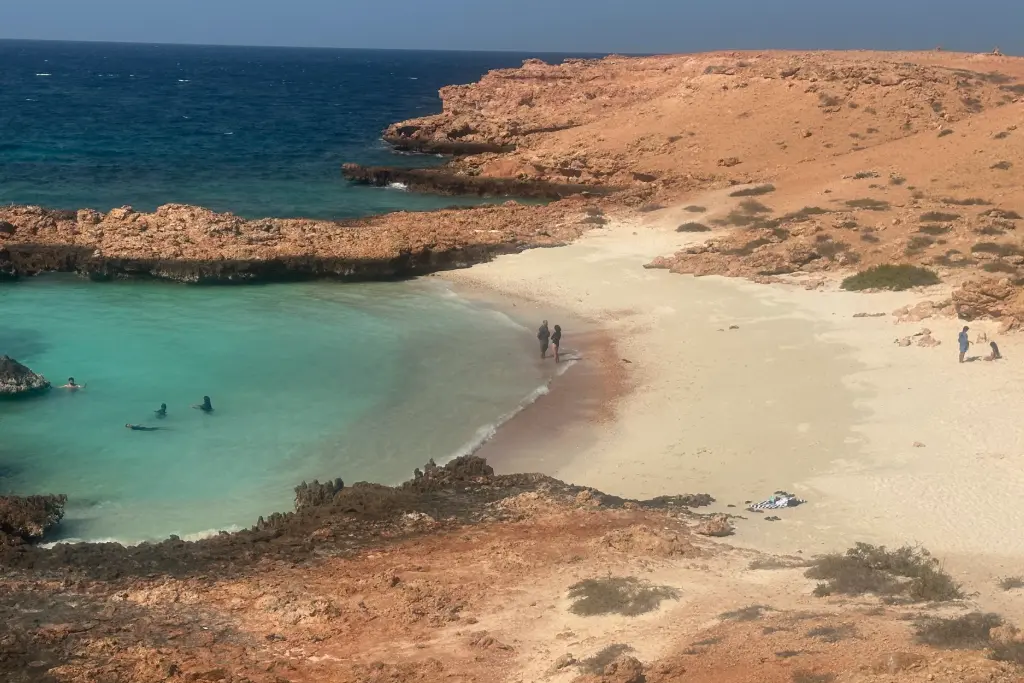
Planning your first trip to the Daymaniyat Islands? You’ve made a great choice. But before you pack your snorkel and hop on a boat, there are a few things the brochures won’t tell you — and knowing them in advance can be the difference between a good trip and an absolutely unforgettable one.
Introduction
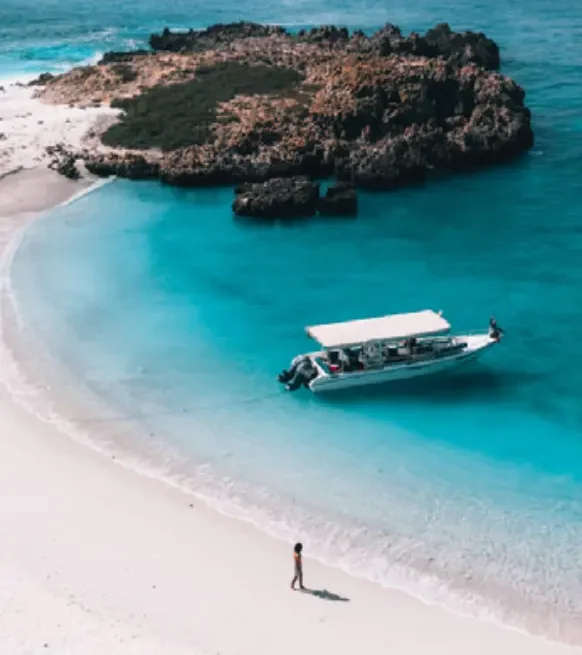
The Daymaniyat Islands are one of the most extraordinary natural destinations in the Middle East. Located approximately 18 kilometres off the coast of Barka, around an hour’s drive from Muscat, this UNESCO-listed marine nature reserve is home to over 280 species of fish, vibrant coral reefs, endangered sea turtles, and some of the clearest waters in the Arabian Sea. Every year, thousands of visitors make the boat trip from Muscat — and almost every single one of them says the same thing: “Why didn’t anyone tell me about this sooner?”
But here’s the other thing they say: “I wish I had known a few things before I went.”
So consider this your insider briefing. Whether you’re a solo traveller, a family, a couple, or a group of friends, this guide covers the 15 most important things first-timers need to know before visiting the Daymaniyat Islands — the honest, practical, nobody-tells-you version.
1. You Cannot Just Show Up — A Permit Is Required
This surprises nearly every first-time visitor. The Daymaniyat Islands are a fully protected nature reserve, which means independent access is prohibited and actively enforced by reserve rangers. You must either book through a licensed tour operator or obtain a government permit if you’re bringing your own vessel. The good news? Booking a tour handles all of this automatically — no paperwork, no hassle on your end.
2. The Beaches Close from May to October — But You Can Still Visit
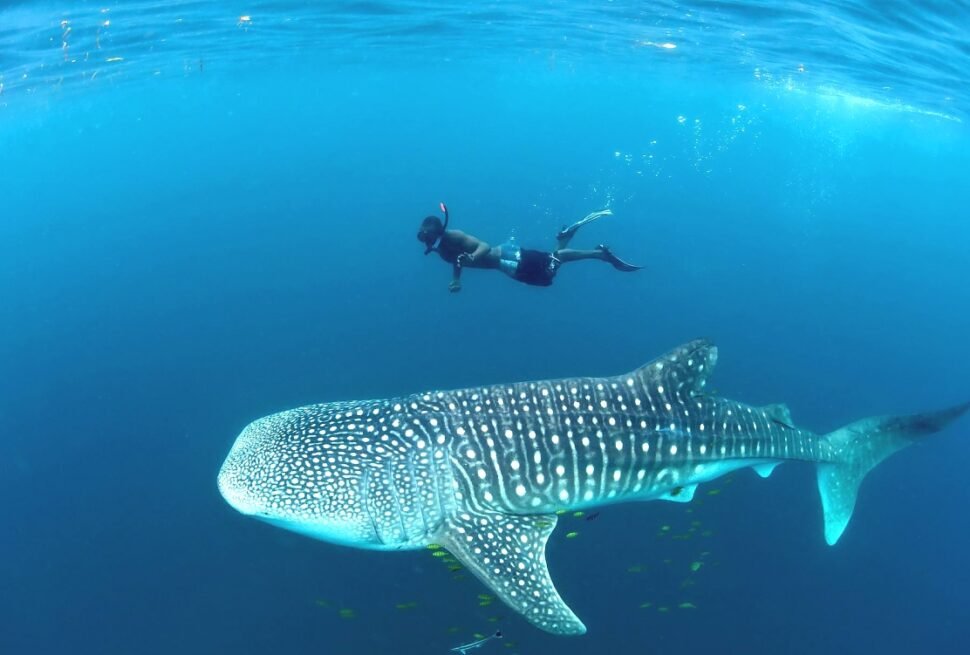
One of the biggest misconceptions about the islands is that they’re completely off-limits in summer. That’s not true. The beaches are closed from May 1st to October 31st to protect nesting sea turtles and migratory birds. However, snorkelling and diving tours continue to run year-round. In fact, summer months bring warmer water temperatures of up to 32°C, no need for a wetsuit, and — crucially — the highest probability of spotting whale sharks.
So even if you’re visiting Muscat in July or August, don’t write off the Daymaniyat Islands. Just adjust your expectations: no beach landing, but outstanding underwater experiences.
3. The Best Months Are November to February — Book Early
If your schedule is flexible, aim for November through February. During these months, underwater visibility can reach up to 30 metres, seas are calm, water temperatures sit comfortably between 22–27°C, and the probability of sea turtle encounters is at its highest. This is peak season, and tour spots fill up quickly — especially around weekends and public holidays. Book at least a week in advance, ideally more.
4. The Boat Ride Is Part of the Experience
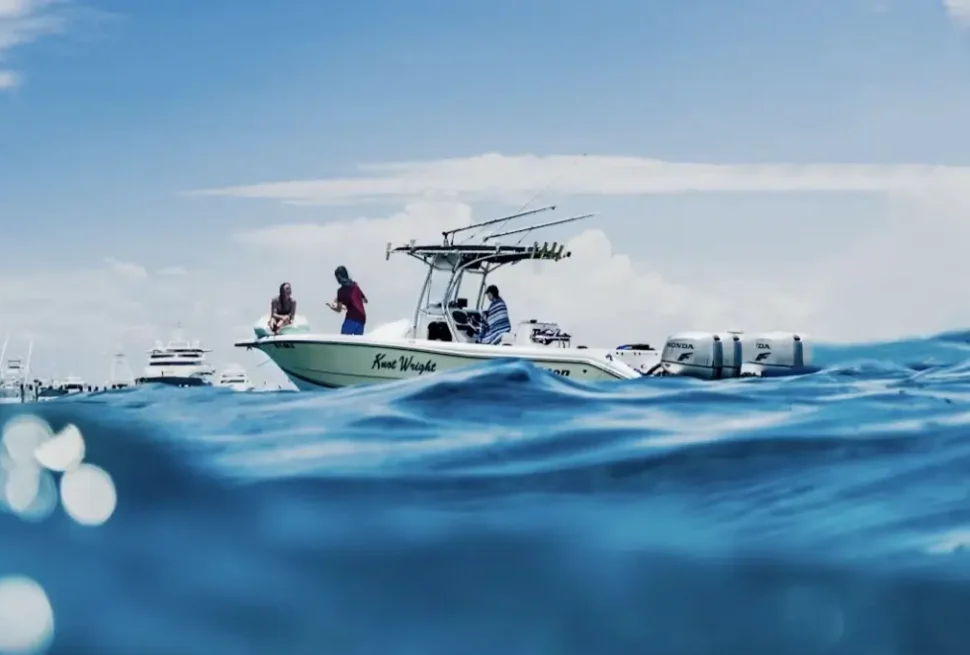
The journey from Al Mouj Marina or Seeb Marina in Muscat takes around 40 to 45 minutes by speedboat. Don’t just zone out during the crossing — keep your eyes on the water. Dolphin sightings on the way to the islands are common, and during summer and autumn, whale sharks have been spotted en route. The boat ride itself sets the tone for the day, and on a calm morning with the Arabian Sea stretching out ahead of you, it’s a genuinely exciting start.
5. You Will See Sea Turtles — and It Will Overwhelm You
This is not marketing language. First-time visitors are consistently shocked by how many sea turtles they encounter. The Daymaniyat Islands are one of the most important nesting grounds in the Arabian Peninsula for both hawksbill and green sea turtles, and they can be found swimming at the reef year-round. Experienced snorkellers have reported seeing 15 or more turtles in a single session. Getting a selfie with one is the challenge — they move deceptively fast for their size.
The golden rule: never touch, chase, or block a turtle’s path. Observe from a respectful distance, and the encounter will feel all the more magical.
6. The Rocks Are Slippery — Watch Your Step on the Islands
This is one of the most common pieces of advice from TripAdvisor reviewers that never makes it into the glossy travel guides. The limestone rocks of the Daymaniyat Islands are covered in algae and can be extremely slippery when wet, which is essentially always. If you’re visiting during the beach-open season (November to April), wear water shoes rather than flip-flops when stepping off the boat or walking on rocky surfaces. It’s a small detail that makes a big difference.
7. Reef-Safe Sunscreen Is Not Optional
As a protected marine reserve, the Daymaniyat Islands enforce strict conservation guidelines. Regular sunscreens contain chemicals — particularly oxybenzone and octinoxate — that are toxic to coral reefs. You are expected to use reef-safe sunscreen before entering the water. Pack it before you travel, as it may not always be available locally. A wide-brim hat and a UV-protective rash guard are also worth bringing to reduce the amount of sunscreen you need overall.
8. Snorkelling Equipment Is Provided — But Bring Your Own If You Have It
Most licensed tour operators provide full snorkelling sets as part of the package, including mask, fins, and snorkel. The equipment is generally clean and functional. However, if you own your own gear — particularly a well-fitted mask — bring it. A mask that seals properly to your face makes an enormous difference to your comfort and visibility underwater, especially for longer snorkelling sessions.
9. There Are Two to Three Snorkelling Stops — Not Just One
First-timers often don’t realise that a typical Daymaniyat Islands tour includes multiple snorkelling locations, not just a single reef stop. Different sites around the nine-island archipelago offer distinct underwater experiences — some are better for coral gardens, others for turtle encounters, and deeper sites cater to more advanced divers. Your guide will anchor at the best spots based on conditions that day, so trust their judgement even if the first location looks different from what you expected.
10. A GoPro or Underwater Camera Is an Absolute Must
You will regret not bringing one. The water clarity at the Daymaniyat Islands — regularly exceeding 20 metres of visibility — makes for extraordinary underwater photography conditions. Sea turtles, blacktip reef sharks, moray eels, leopard sharks, and hundreds of colourful reef fish are all photogenic subjects that will appear right in front of you. If you don’t own an underwater camera, an underwater iPhone case is a widely recommended and affordable alternative. Many tour operators also offer GoPro footage as part of their premium packages — ask in advance.
11. There Are No Shops, Restaurants, or Facilities on the Islands
The Daymaniyat Islands are uninhabited and entirely undeveloped — which is exactly what makes them so beautiful. But it also means there is no food, no fresh water, no shade structures, and no restrooms on the islands themselves. Everything you need for the day comes with you on the boat. Most tour packages include lunch and refreshments on board, but double-check what’s included before you book. Bring a reusable water bottle and more snacks than you think you’ll need.
12. Camping Is Allowed — and It’s One of Oman’s Most Unique Experiences
Between November 1st and April 30th, camping on the Daymaniyat Islands beaches is permitted, and it is genuinely one of the most spectacular overnight experiences in Oman. Falling asleep under a sky full of stars on a deserted island in the Arabian Sea, with nothing but the sound of waves, is something very few travellers anywhere in the world get to experience. If you’re visiting during the open season and camping appeals to you, arrange this with your tour operator well in advance — it requires specific logistics and planning.
13. Drones Are Allowed Under 250g — But Require Prior Permission
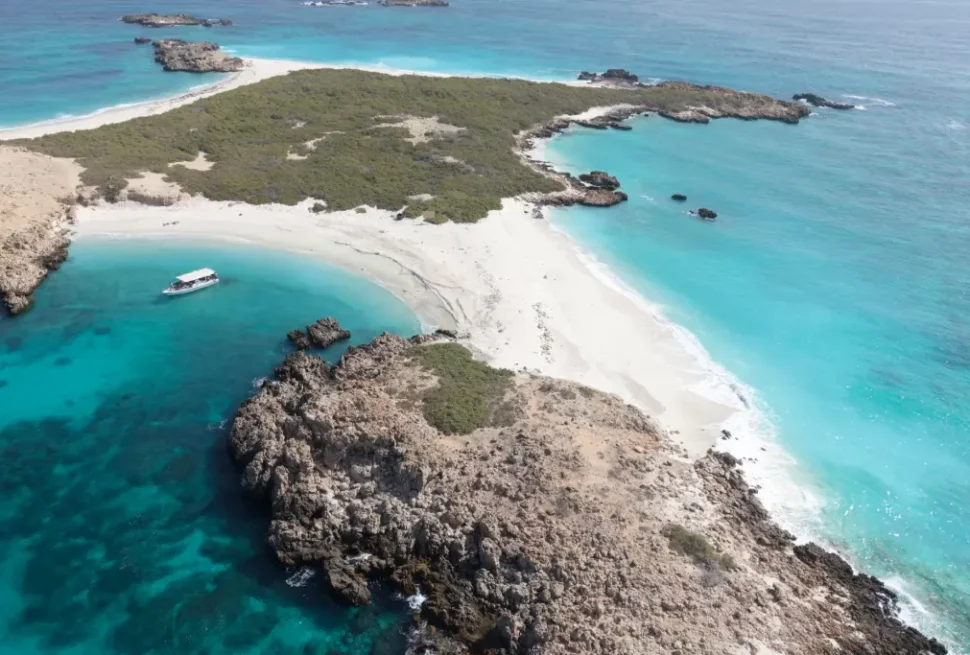
If you’re a content creator or travel photographer, you’ll be relieved to know that drones are permitted at the Daymaniyat Islands, provided the drone weighs under 250 grams and you are not within 5 kilometres of an airport. However, bringing a drone into Oman in the first place requires prior permission from the relevant Omani authorities. Check the current drone regulations before travel, as rules can change. The aerial views of the turquoise water surrounding the nine islands are, by all accounts, spectacular.
14. Seasickness Can Catch You Off Guard — Even If It Never Has Before
The boat crossing can be unexpectedly choppy depending on sea conditions, particularly in transitional seasons. Even experienced travellers who have never suffered from seasickness have reported feeling queasy on the Daymaniyat crossing. If you have any tendency toward motion sickness — or simply want to be safe — take an over-the-counter seasickness tablet an hour before departure. It’s a small precaution that protects a full day’s experience.
15. This Place Will Change How You Think About the Arabian Peninsula
Perhaps the most important thing nobody tells first-timers is just how profoundly unexpected the Daymaniyat Islands feel. Most travellers arrive with modest expectations — a nice snorkelling trip, a pleasant day out from Muscat. What they actually experience is something far beyond that: a pristine, wild, protected marine world that feels completely untouched, abundant with life, and genuinely awe-inspiring. The Daymaniyat Islands are not a tourist attraction in the usual sense. They are a living ecosystem that happens to welcome respectful visitors — and every person who leaves them does so a little more grateful for the natural world.
Final Thoughts: Go Prepared, Go Respectfully, Go Soon
The Daymaniyat Islands are one of Oman’s greatest natural treasures, and the fact that access is carefully regulated is precisely why they remain so extraordinary. The reef is healthy. The turtles are abundant. The water is clear. And the experience is one that the vast majority of visitors describe as among the best of their lives.
All it takes is a little preparation — which you’ve now done.
Ready to Experience It for Yourself?
Don’t leave your Daymaniyat Islands adventure to chance. Book with a licensed, expert tour operator who knows the reserve inside out, follows all conservation guidelines, and is committed to giving you an unforgettable, responsible day on the water.
👉 Explore Our Daymaniyat Islands Tour Packages — and find the experience that’s right for you.