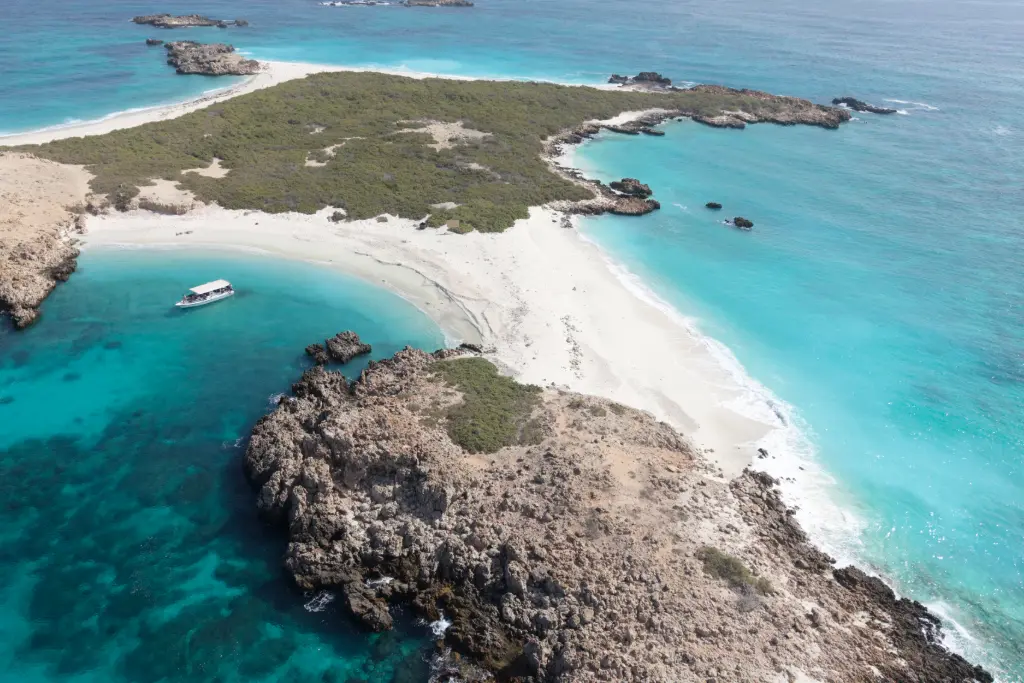
If you’re planning a trip to the Daymaniyat Islands, you’ll hit this question early: should you snorkel or scuba dive? Both let you explore one of Oman’s richest marine reserves, but they’re very different experiences — different cost, different skill level, and different views of what’s underwater.
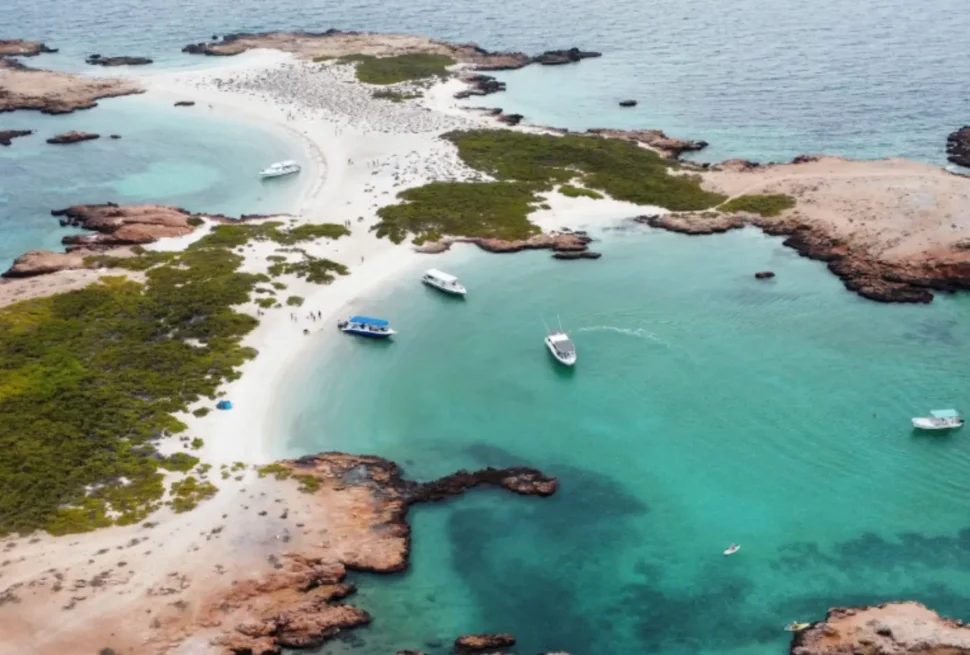
The Daymaniyat Islands are a protected nature reserve made up of nine small islands off the coast of Muscat, and the water around them is some of the clearest in the region. That clarity is exactly why the snorkel-vs-dive question matters so much here — unlike murkier dive sites, both activities offer genuinely good visibility, so the choice comes down to your comfort level, budget, and how close to the reef you want to get, not which one “sees more.”
This guide breaks down the real differences — cost, skill level, marine life, safety, and timing — so you can book the right tour the first time instead of guessing.
A Quick Look at the Daymaniyat Islands Reserve
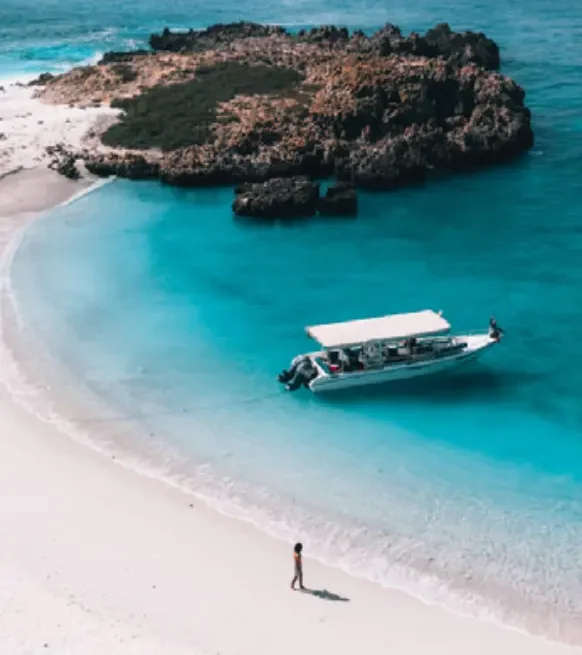
Before comparing the two activities, it helps to understand what you’re actually visiting. The Daymaniyat Islands were designated a nature reserve specifically to protect nesting seabirds, sea turtles, and the coral reef systems that surround the islands. Boat access is limited to licensed tour operators, and there are rules around how close you can get to nesting areas during certain seasons — this is part of why booking with a proper operator matters, rather than trying to arrange informal transport.
The reserve’s reputation is built on three things: warm, clear water most of the year, a healthy population of hard and soft coral, and reliable sightings of green and hawksbill turtles. Whether you experience that from the surface or from below is really the whole snorkeling-vs-diving decision.
Quick Answer
If you want an easy, affordable, no-experience-needed way to see coral gardens, turtles, and reef fish from the surface, snorkeling is the better choice. If you want to get closer to the reef, explore deeper drop-offs, and potentially see larger marine life like reef sharks, scuba diving is worth the extra cost and certification requirement.
Most first-time visitors to the Daymaniyat Islands choose snorkeling — it’s simpler to arrange, cheaper, and still shows you the majority of what makes this marine reserve special.
Snorkeling at Daymaniyat Islands
What it involves
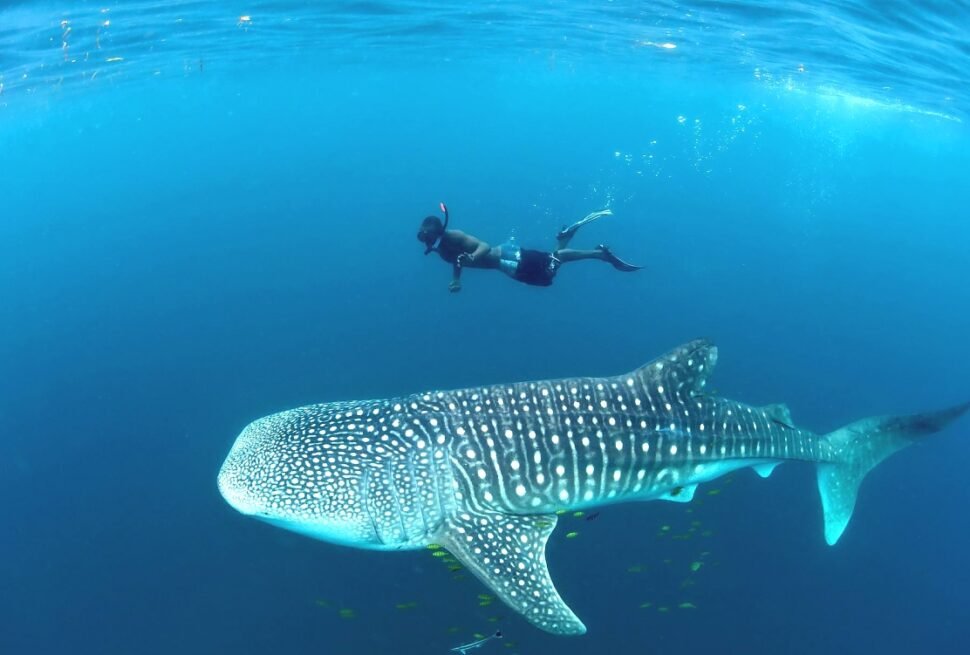
Snorkeling means floating on the surface with a mask, snorkel, and fins, looking down into the water. At Daymaniyat Islands, visibility is typically excellent, so you can see coral reefs, schools of fish, and often sea turtles without ever going below the surface.
Who it’s for
- First-time visitors and families with kids
- Non-swimmers with basic water confidence (a life jacket is usually provided)
- Travelers on a day trip who don’t want to arrange certification in advance
- Anyone who wants a relaxed, low-cost experience
What you’ll typically see
Shallow coral formations, parrotfish, angelfish, and — if you’re lucky — green sea turtles, which are commonly spotted near the surface here since they need to come up for air.
Cost and time
Snorkeling tours are generally the more budget-friendly option and require no prior training. Most boat trips include snorkeling gear, a short briefing, and multiple stops at different reef spots.
What a typical snorkeling day looks like
Most snorkeling trips depart Muscat early in the morning, when the water tends to be calmer and visibility is at its best. The boat ride out to the islands usually takes under an hour. Once anchored, your guide will point out the best entry spots, and you’ll typically stop at two or three different locations over the course of the trip, each with slightly different reef structure and marine life. Between snorkel stops, many tours also include time to relax on the boat, and some operators add a stop near one of the islands (where permitted) for photos.
Gear and preparation
You don’t need to bring much. A swimsuit, reef-safe sunscreen, a towel, and a change of clothes cover the basics — mask, snorkel, fins, and a life jacket are provided by the operator. If you wear prescription glasses, ask in advance whether prescription snorkel masks are available, since not every tour stocks them.
Scuba Diving at Daymaniyat Islands
What it involves
Scuba diving means breathing through a tank and regulator while fully submerged, which lets you get much closer to the reef and explore depths that snorkelers simply can’t reach.
Who it’s for
- Certified divers (Open Water or higher) who already have logged dives
- Beginners who want to try a supervised introductory dive with an instructor
- Travelers specifically interested in wreck sites, deeper reef walls, or the chance to spot reef sharks and larger pelagic fish
What you’ll typically see
Everything visible while snorkeling, plus deeper reef structures, overhangs, and a wider range of species that stay below the surface during the day.
Cost and time
Diving costs more than snorkeling because it requires equipment, a certified guide, and — if you’re not already certified — either proof of certification or a supervised introductory dive session. Budget more time for the safety briefing and gear setup.
What a typical dive day looks like
Diving trips generally take longer than snorkeling trips because of the additional setup involved. Expect a more thorough safety briefing, time to fit and check equipment, and — depending on your certification level — one or two dives per trip with a surface interval between them to let your body safely off-gas. Certified divers should bring their certification card (C-card) and logbook; if you’re not certified, ask your operator whether they offer a Discover Scuba or similar introductory program, which includes hands-on training with an instructor before you go under.
Certification levels and what they mean for your trip
- Never dived before: ask about a supervised introductory/discovery dive — no certification needed, but you’ll stay shallow and close to your instructor throughout.
- Open Water certified: typically cleared to dive to around 18 meters, which covers most of the reef areas around the Daymaniyat Islands.
- Advanced Open Water or higher: may have access to deeper sites and longer bottom times, depending on the operator’s dive plan.
If you’re not sure which category you fall into, tell your operator your certification agency (PADI, SSI, etc.) and card level when booking, and they’ll confirm what’s included.
Side-by-Side Comparison
| Factor | Snorkeling | Scuba Diving |
|---|---|---|
| Experience needed | None | Certification (or guided intro dive) |
| Cost | Lower | Higher |
| Depth of view | Surface to a few meters | Deeper reef and drop-offs |
| Best for | Families, beginners, day-trippers | Certified divers, marine life enthusiasts |
| Physical effort | Low | Moderate |
| Kids allowed | Usually yes | Age and certification restrictions apply |
Can You Do Both on the Same Trip?
Some tours combine both — for example, a snorkeling stop in the morning and an optional dive add-on in the afternoon. If you’re unsure which you’ll prefer, ask your tour operator whether a combined itinerary is available before you book, since not every boat schedule supports both in one day.
Which Should You Book?
- Traveling with kids or non-swimmers? Snorkeling.
- Never dived before but curious? Ask about a supervised introductory dive — many operators offer this without requiring full certification.
- Already certified and want to see more of the reef? Book a scuba tour and mention your certification level when booking.
- Short on time or budget? Snorkeling gets you most of the experience for less money and no prep.
Marine Life: What You’ll Actually See
Both activities give you access to the same reserve, but your vantage point changes what you notice.
From the surface (snorkeling): Green sea turtles are the highlight for most visitors, and they’re seen regularly since turtles surface to breathe every few minutes, putting them right in a snorkeler’s field of view. You’ll also see colorful reef fish like parrotfish and angelfish near the surface, along with the coral structures in the shallower zones, which are often the most colorful part of the reef since they get the most sunlight.
Underwater (diving): Divers get a fuller picture of the reef’s vertical structure — overhangs, coral walls, and the deeper sections where larger fish tend to gather. Reef sharks, rays, and bigger schools of pelagic fish are more commonly encountered by divers simply because that’s where they spend most of their time. Hawksbill turtles, which tend to be more skittish than green turtles, are also more often seen by divers who can approach quietly along the reef.
Neither experience is “better” for wildlife — snorkelers see more turtles at the surface, while divers see more of the reef’s full depth and the species that live there.
Safety Considerations for Each
Snorkeling safety: Life jackets are typically provided even for confident swimmers, and a guide stays nearby throughout. The main things to watch for are sun exposure (reef-safe sunscreen and a rash guard help) and staying within the boundaries your guide sets, since currents can pick up between reef sites.
Diving safety: Because diving involves compressed air and depth, the safety protocol is more structured — a full briefing, buddy checks, and a guide who monitors air levels and dive time throughout. If you’re newly certified or it’s been a while since your last dive, mention this when booking; many operators offer a refresher or a shallower first dive to rebuild comfort before going deeper.
In both cases, book with an operator who holds the proper reserve access permits — this isn’t just a formality, since permitted operators are trained on the reserve’s specific rules around protected species and coral zones.
Best Time of Day and Season
Morning trips generally offer the calmest water and best visibility, which benefits both snorkelers and divers, though divers in particular benefit from the improved clarity at depth. The cooler months tend to bring more stable sea conditions overall, while summer can bring warmer water but occasionally choppier crossings. If you have flexibility, ask your operator which days that week have the best forecast rather than fixing a date too far in advance.
Why the Reserve Status Matters
Because the Daymaniyat Islands are a protected marine reserve, both snorkeling and diving here come with a few practical implications worth knowing before you book:
- Touching or standing on coral is prohibited for both activities, since even brief contact can damage slow-growing coral structures.
- Feeding fish or turtles is not allowed, to avoid disrupting natural feeding behavior.
- Access to some areas may be seasonally restricted around bird nesting periods.
- Only licensed operators are permitted to bring visitors to the islands, which is part of why booking directly with a reserve-authorized tour matters.
These rules apply equally whether you’re floating on the surface or diving below it, and following them is a big part of why the reef here has stayed as healthy as it has.
Frequently Asked Questions
Do I need to know how to swim to snorkel at Daymaniyat Islands? Basic water confidence helps, but life jackets are typically provided, so strong swimming ability isn’t required for snorkeling tours.
Can beginners go scuba diving at Daymaniyat Islands? Yes, many operators offer supervised introductory dives for first-timers, separate from full certification dives for experienced divers. Confirm this option when booking.
Is snorkeling or diving better for seeing sea turtles? Turtles are commonly seen while snorkeling since they surface for air, but divers often get closer, longer encounters underwater.
What’s included in a typical tour? Most boat tours include gear (mask, snorkel, fins, or dive equipment), a safety briefing, and transport to multiple reef sites. Confirm specifics with your operator before booking.
How deep is the water at the Daymaniyat Islands? Depths vary by site, with shallower reef areas well-suited to snorkeling and deeper zones — generally reaching down to around 20 meters in popular dive spots — available to certified divers.
Is it safe to snorkel or dive with sharks at Daymaniyat Islands? Any sharks encountered in the reserve are typically reef species that are naturally shy around people and pose minimal risk; sightings are considered a highlight rather than a danger by most guides.
Can I bring a GoPro or underwater camera? Yes, most operators allow personal cameras for both snorkeling and diving, though it’s worth checking whether your dive tour has any restrictions during instructional dives.
How many people are usually on a tour boat? Group sizes vary by operator, so ask in advance if you’re looking for a smaller, more personalized group versus a larger shared boat.
Do I need travel insurance for scuba diving? Many standard travel insurance policies don’t automatically cover scuba diving, so it’s worth checking your policy or adding diving-specific coverage before your trip, particularly if you’re diving deeper than beginner levels.
Ready to decide? Compare our snorkeling and diving tours] to find the right fit for your trip to the Daymaniyat Islands.